
What Souvenirs Can I Buy on a Gorilla Safari?
A gorilla safari is one of the most unforgettable wildlife experiences in Africa. Whether you trek through the misty forests of Uganda or Rwanda, meeting endangered mountain gorillas in their natural habitat creates memories that last a lifetime. However, the journey does not end when the trek is over. Taking home authentic souvenirs allows you to preserve those memories while supporting local communities that play an important role in protecting gorilla habitats.
Choosing locally made crafts and products also contributes to conservation. Many artisans, cooperatives, and community groups earn their livelihoods through tourism. As a result, the income generated from souvenir sales provides sustainable alternatives to activities that could threaten forests and wildlife. By purchasing authentic handmade items, you not only bring home meaningful keepsakes but also contribute to the long-term protection of mountain gorillas.
Gorilla-Themed Souvenirs to Remember Your Adventure
One of the most popular ways to celebrate a successful gorilla trek is by purchasing souvenirs inspired by these remarkable primates. These keepsakes remind visitors of their once-in-a-lifetime encounter and often reflect the creativity of local artisans.
Hand-Carved Walking Sticks
Walking sticks are essential during gorilla trekking because the forest terrain is often steep, muddy, and uneven. Many visitors decide to keep the wooden walking stick they used during the trek as a lasting reminder of their adventure.
Local craftsmen carefully carve these sticks from durable hardwood and decorate them with gorilla images, traditional patterns, or wildlife motifs. Some are simple and practical, while others are beautifully detailed works of art. Once you return home, the walking stick becomes both a decorative piece and a memorable symbol of your African safari.
Wooden Gorilla Sculptures
Hand-carved gorilla sculptures remain among the most sought-after safari souvenirs. Skilled woodcarvers create impressive statues showing gorillas in different poses, including silverbacks guarding their families, mothers carrying infants, and playful young gorillas.
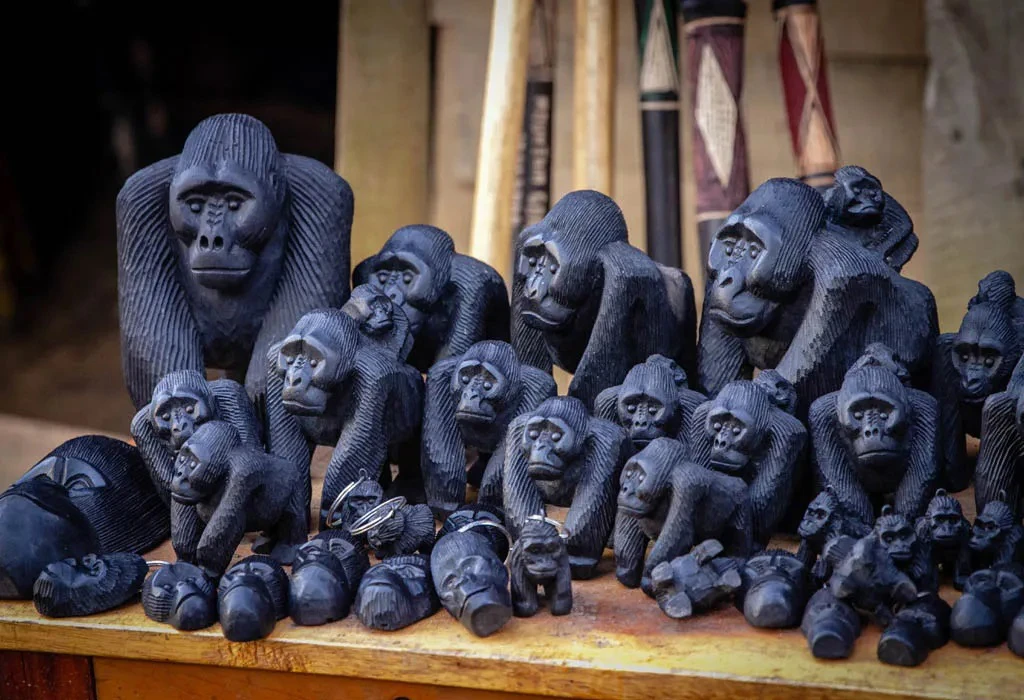 The sculptures range from small tabletop ornaments to larger decorative pieces suitable for living rooms or offices. Each carving reflects the artist’s craftsmanship and appreciation for wildlife. Since every piece is handmade, no two sculptures are exactly alike, making each purchase unique.
Gorilla-Themed Clothing
Many visitors enjoy purchasing clothing featuring mountain gorillas or conservation messages. T-shirts, hoodies, caps, scarves, and tote bags are widely available near trekking destinations and local craft markets.
These items often feature artistic gorilla illustrations, African-inspired designs, or conservation slogans that help spread awareness about protecting endangered wildlife. Besides being practical souvenirs, they allow travelers to share memories of their gorilla safari long after returning home.
Gorilla Trekking Certificates
After completing your gorilla trek, you will receive an official trekking certificate recognizing your participation. This certificate includes details such as the trekking date and the gorilla family visited.
Although it is not purchased, many travelers consider it one of their most treasured keepsakes. Framing the certificate alongside safari photographs creates a beautiful display that captures the unforgettable experience of standing just a few meters away from wild mountain gorillas.
Traditional Crafts That Celebrate Local Culture
Beyond gorilla-themed souvenirs, Uganda and Rwanda offer exceptional traditional crafts that reflect centuries of cultural heritage. These handmade products provide a deeper connection to the people and traditions of the region.
Beautiful Handwoven Baskets
Handwoven baskets are among the finest traditional crafts available during a gorilla safari. Local women spend many hours weaving natural fibers into elegant baskets featuring colorful geometric patterns and intricate designs.
These baskets serve both decorative and practical purposes. They can be used for storing jewelry, displaying fruit, or simply adding African style to your home décor. Since each basket is handmade, every piece tells its own story while supporting local families.
Colorful African Fabrics
Bright African fabrics are another popular souvenir choice. These vibrant textiles feature bold colors and striking patterns that represent African creativity and fashion.
Visitors can purchase fabric by the meter or choose finished products such as dresses, shirts, handbags, table runners, cushion covers, and scarves. Many travelers later use the fabric to create custom clothing or home decorations, allowing them to enjoy a lasting reminder of their safari.
Traditional Wall Art
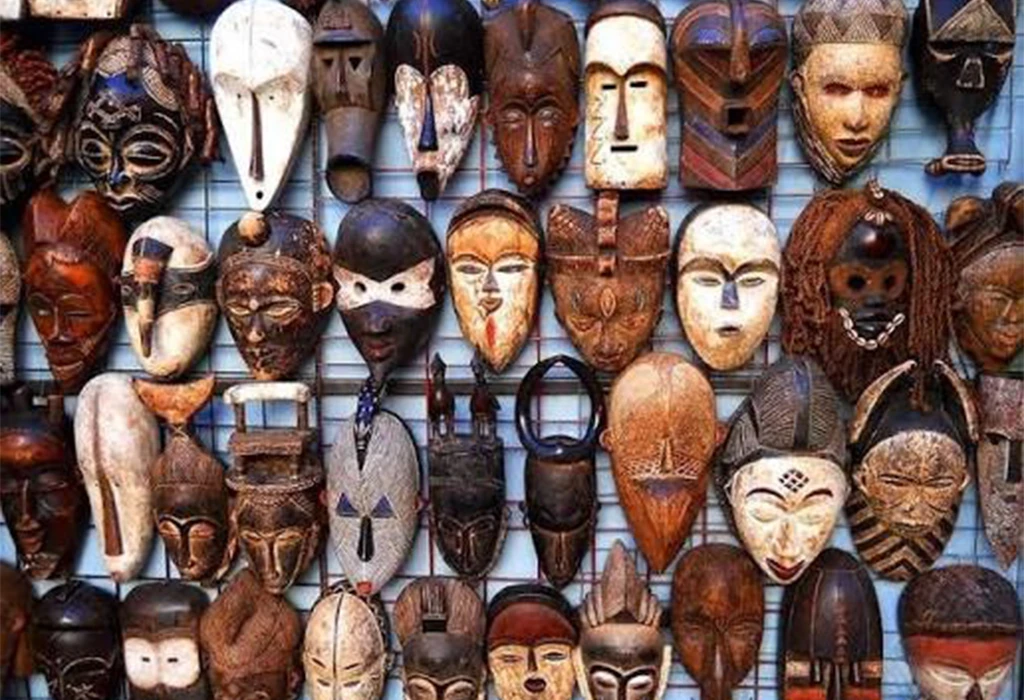
Local artists produce beautiful wall art inspired by African culture, wildlife, and traditional life. Paintings, carved wooden panels, and handmade decorative pieces showcase remarkable artistic talent while preserving cultural traditions.
These artworks often feature gorillas, elephants, village scenes, birds, and landscapes, making them excellent additions to homes or offices.
Bark Cloth Products
One of Uganda’s most unique traditional materials is bark cloth, which is produced from the bark of the Mutuba tree using sustainable harvesting techniques. The tree continues growing after the bark is removed, making the process environmentally friendly.
Artisans transform bark cloth into handbags, wallets, table mats, wall hangings, notebook covers, and decorative accessories. The natural texture and earthy colors make bark cloth products distinctive souvenirs that cannot easily be found elsewhere.
Handmade Jewelry
Jewelry crafted by local artisans provides another wonderful souvenir option. Necklaces, bracelets, earrings, and rings are carefully made using beads, recycled paper, seeds, wood, clay, and natural stones.
Many women’s groups specialize in producing colorful beadwork using recycled materials. Purchasing handmade jewelry supports community development while encouraging environmentally responsible craftsmanship.
Coffee, Tea, and Local Flavors
Food products also make excellent souvenirs because they allow you to enjoy the flavors of East Africa even after your safari has ended.
Premium Coffee
Uganda and Rwanda produce some of Africa’s finest coffee. Many farms located near protected forests cultivate high-quality Arabica beans that are carefully roasted and packaged for visitors.
Buying locally produced coffee supports farming communities while providing a delicious reminder of your safari every time you brew a fresh cup at home.
Quality Tea
Tea lovers will appreciate the premium black tea grown in the fertile highlands of both countries. The cool climate and rich volcanic soils produce flavorful teas with rich aromas and smooth finishes.
Tea is lightweight, easy to pack, and makes an ideal gift for friends and family.
Natural Spices
Fresh spices such as vanilla, cinnamon, ginger, turmeric, black pepper, and cardamom are also available in local markets. These aromatic ingredients add authentic African flavor to home cooking while serving as practical souvenirs.
Local Snacks
Dried fruits, roasted peanuts, honey, and other locally produced snacks are popular purchases among travelers. These products are easy to transport and allow visitors to continue enjoying local flavors during their journey home.
Where to Buy Authentic Gorilla Safari Souvenirs
Finding authentic souvenirs is easy when shopping in the right locations. Buying directly from local artisans also ensures your purchase benefits nearby communities.
Near Gorilla Trekking Centers
Craft vendors often display handmade products near gorilla trekking briefing points and park entrances. Shopping here is convenient because many artisans come from neighboring communities that benefit directly from tourism.
Community Craft Centers
Community cooperatives offer some of the most authentic shopping experiences. These centers sell handmade baskets, carvings, jewelry, textiles, paintings, and household items produced by local families.
Purchasing from community groups helps generate income that supports education, healthcare, conservation, and sustainable livelihoods.
City Craft Markets
Larger craft markets in major towns and cities provide an even wider variety of products. Here you can compare different styles, browse hundreds of handmade items, and often find unique artwork that may not be available near the parks.
Taking your time to explore these markets allows you to discover exceptional craftsmanship while supporting numerous local artisans.
Shop Responsibly During Your Safari
When purchasing souvenirs, always choose products made from sustainable and legal materials. Avoid buying anything made from animal skins, ivory, bones, horns, feathers, teeth, or other wildlife products. Such items contribute to illegal wildlife trade and threaten conservation efforts.
Instead, select handcrafted wood carvings, woven baskets, textiles, paintings, jewelry, coffee, tea, and other locally produced goods. These purchases support responsible tourism while helping communities protect the forests that mountain gorillas call home.
Book Your Gorilla Safari with Experiya Tour Company
A gorilla safari offers much more than an unforgettable wildlife encounter. It also provides an opportunity to experience local culture, meet talented artisans, and bring home meaningful souvenirs that preserve your memories for years to come.
Experiya Tour Company can help you plan an exceptional gorilla trekking adventure while introducing you to authentic cultural experiences and trusted local craft markets. From expertly guided gorilla safaris to memorable community visits, every journey is carefully designed to provide an enriching and responsible travel experience. By combining wildlife encounters with cultural exploration, your safari becomes more than a holiday—it becomes a lasting connection with the people, landscapes, and conservation efforts that make East Africa truly extraordinary.