
Which Months Offer the Best Game Viewing in Uganda?
Uganda, famously known as the Pearl of Africa, is one of the continent’s most rewarding safari destinations. Its spectacular national parks, abundant wildlife, breathtaking landscapes, and unforgettable gorilla trekking experiences attract travelers throughout the year. However, many visitors ask one important question before planning their adventure?
Although wildlife can be seen in every season, certain months provide better opportunities because of favorable weather, easier park access, and increased animal activity. Understanding Uganda’s seasonal patterns helps travelers choose the perfect time to enjoy exceptional wildlife encounters, capture incredible photographs, and experience memorable safari adventures.
The Best Months for Game Viewing in Uganda
The most rewarding months for wildlife viewing in Uganda fall within the country’s two dry seasons. These run from December to February and June to September. During these periods, weather conditions are generally sunny, roads remain accessible, and animals become much easier to locate.
The longer dry season, stretching from June to September, is considered Uganda’s prime safari period. It offers consistent wildlife sightings across nearly all major national parks. Meanwhile, the shorter dry season from December to February provides equally impressive game-viewing opportunities, making it an excellent choice for travelers visiting during the festive season or early in the new year.
These dry months create ideal safari conditions because rainfall is limited, vegetation becomes less dense, and wildlife gathers around permanent water sources. Together, these factors significantly improve the quality of wildlife viewing throughout Uganda.
Wildlife Becomes Easier to Spot
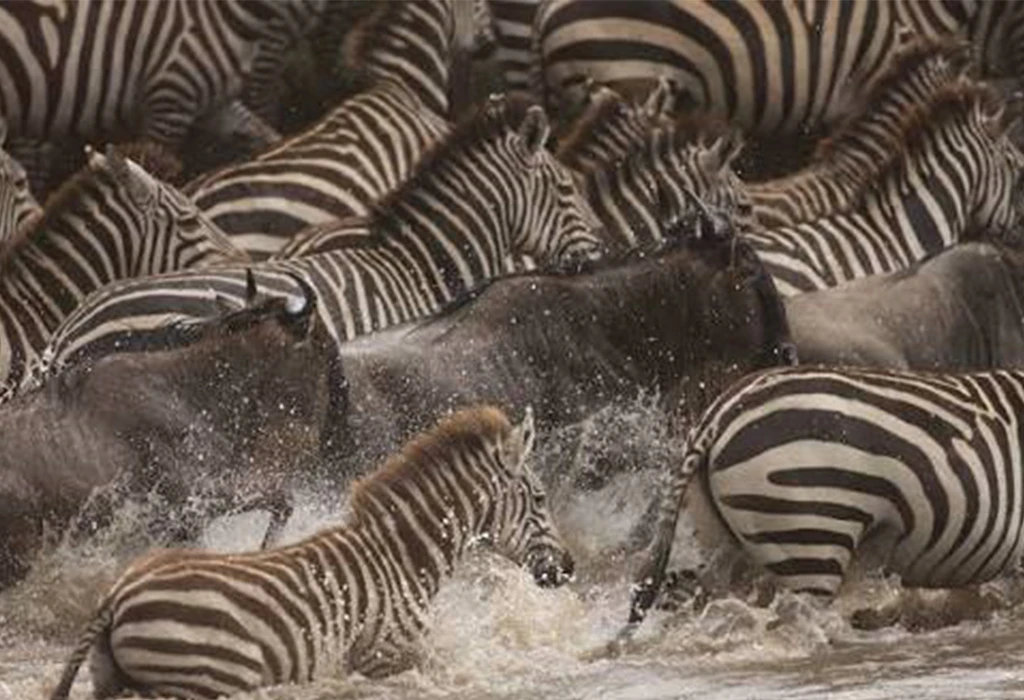
One of the biggest advantages of visiting during the dry season is the concentration of wildlife around rivers, lakes, swamps, and permanent watering holes. As seasonal pools dry up, animals naturally move toward reliable water sources where they drink, feed, and rest.
This predictable movement allows experienced safari guides from Experiya Tour Company to locate wildlife much more efficiently. Instead of spending hours searching vast landscapes, guides focus on areas where animals are most likely to gather.
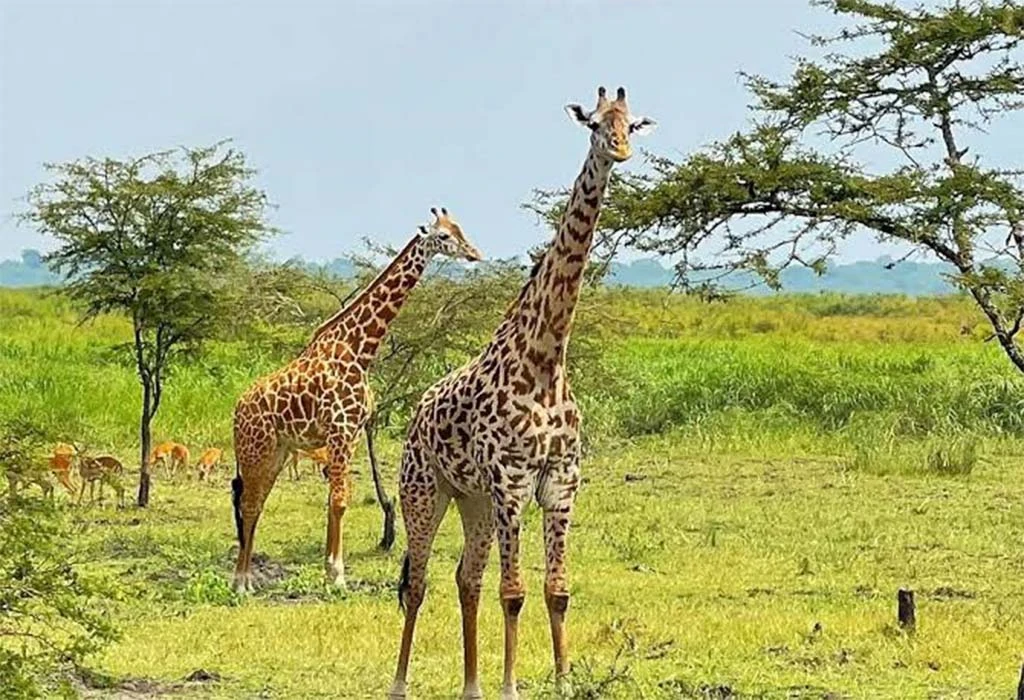
Large herds of elephants, buffaloes, Uganda kobs, waterbucks, and giraffes often share these watering points. Predators such as lions and leopards also patrol these areas, waiting for opportunities to hunt. As a result, visitors frequently enjoy multiple wildlife sightings during a single game drive.
Toward the end of each dry season, especially in February and September, wildlife concentrations become even greater as water becomes scarcer across the parks.
Dry Vegetation Improves Visibility
Another reason the dry season offers exceptional game viewing is the change in vegetation. During the rainy months, grasses grow tall and thick while trees develop dense foliage that hides many animals from view.
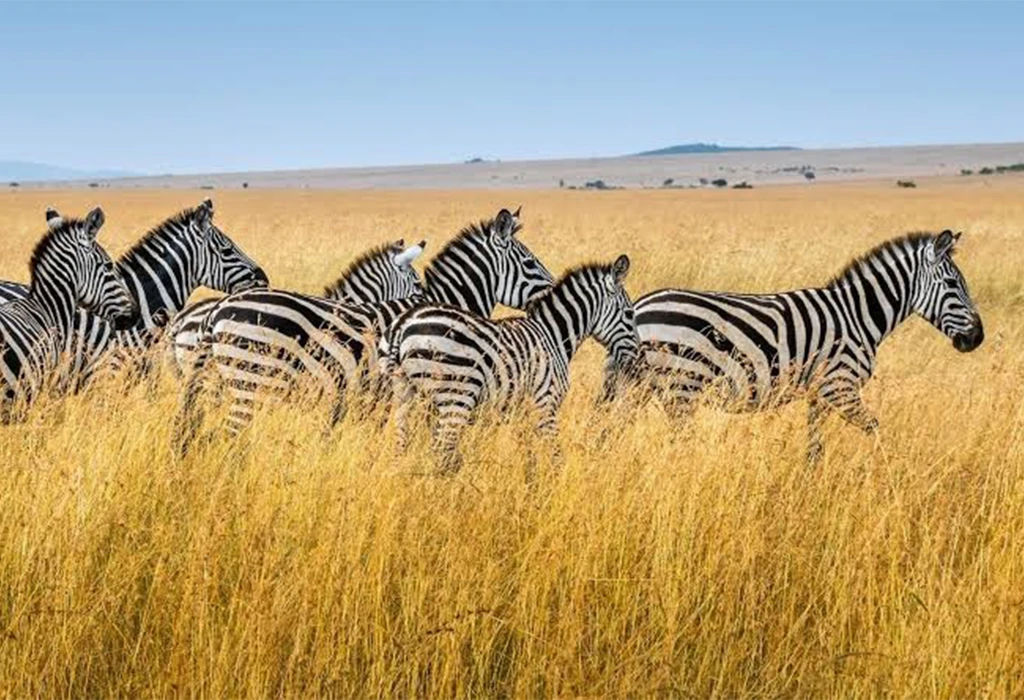
As the dry season progresses, grasses become shorter, bushes thin out, and many trees lose their leaves. These natural changes create open landscapes that make wildlife much easier to observe.
Animals that would normally remain hidden suddenly become visible from long distances. Safari guides can spot wildlife much earlier, giving visitors more time to enjoy the experience and take photographs.
The open scenery also allows visitors to observe natural animal behavior without visual obstructions. Whether watching a pride of lions resting under an acacia tree or a herd of elephants crossing the savannah, the improved visibility makes every game drive more rewarding.
Excellent Weather Creates Comfortable Safaris
Weather plays a significant role in determining the quality of a safari. Fortunately, Uganda’s dry seasons offer comfortable conditions for outdoor activities.
Most days begin with cool, pleasant mornings before warming into sunny afternoons. Rainfall is minimal, allowing game drives to continue without interruption. Clear skies also provide excellent natural lighting, especially during sunrise and sunset, when wildlife photography reaches its best.
Photographers particularly appreciate the golden morning and evening light because it produces vibrant colors and dramatic landscapes. Reduced humidity also improves visibility, resulting in sharper photographs of wildlife and scenery.
Comfortable weather means visitors can spend longer periods exploring national parks without worrying about heavy rains or muddy conditions interrupting their safari.
Easy Access to National Parks
Dry weather also improves accessibility throughout Uganda’s protected areas. Most national park roads consist of compacted earth, which can become slippery and difficult to navigate after heavy rainfall.
During the dry months, these roads harden, allowing safari vehicles to travel safely and comfortably. Guides can access remote sections of the parks that may become inaccessible during the rainy season.
Better road conditions also reduce travel time between wildlife viewing areas, giving visitors more opportunities to enjoy animal sightings instead of dealing with difficult driving conditions.
For travelers planning self-drive adventures or extended safari itineraries, the dry season provides greater flexibility and fewer transportation challenges.
Month-by-Month Safari Guide
January and February rank among Uganda’s finest safari months. Warm temperatures, little rainfall, and excellent road conditions create ideal circumstances for both traditional wildlife safaris and gorilla trekking. Animals remain concentrated around water sources, making sightings frequent and rewarding.
From June through August, Uganda experiences its busiest safari season. These months offer consistently dry weather, outstanding wildlife viewing, and comfortable trekking conditions. Visitors can expect excellent sightings in Murchison Falls National Park, Queen Elizabeth National Park, Lake Mburo National Park, and Kidepo Valley National Park. Because these months attract many international visitors, early booking is highly recommended.
September remains one of Uganda’s hidden safari gems. Wildlife viewing remains excellent while visitor numbers begin to decline. This quieter atmosphere allows photographers and nature lovers to enjoy more peaceful game drives with fewer vehicles around popular wildlife sightings.
December marks the beginning of the shorter dry season. As rainfall decreases, wildlife gradually returns to permanent water sources, creating outstanding viewing opportunities. Northern parks such as Murchison Falls National Park and Kidepo Valley National Park become particularly rewarding during this period.
The Best Time for Gorilla Trekking
Uganda’s famous mountain gorillas can be visited throughout the year, but most travelers prefer trekking during the dry seasons.
Between June and September, as well as December and February, forest trails remain drier and less slippery, making hikes through Bwindi Impenetrable National Park and Mgahinga Gorilla National Park more comfortable.
Although gorilla sightings remain consistently successful regardless of season, the improved hiking conditions make the overall experience much more enjoyable.
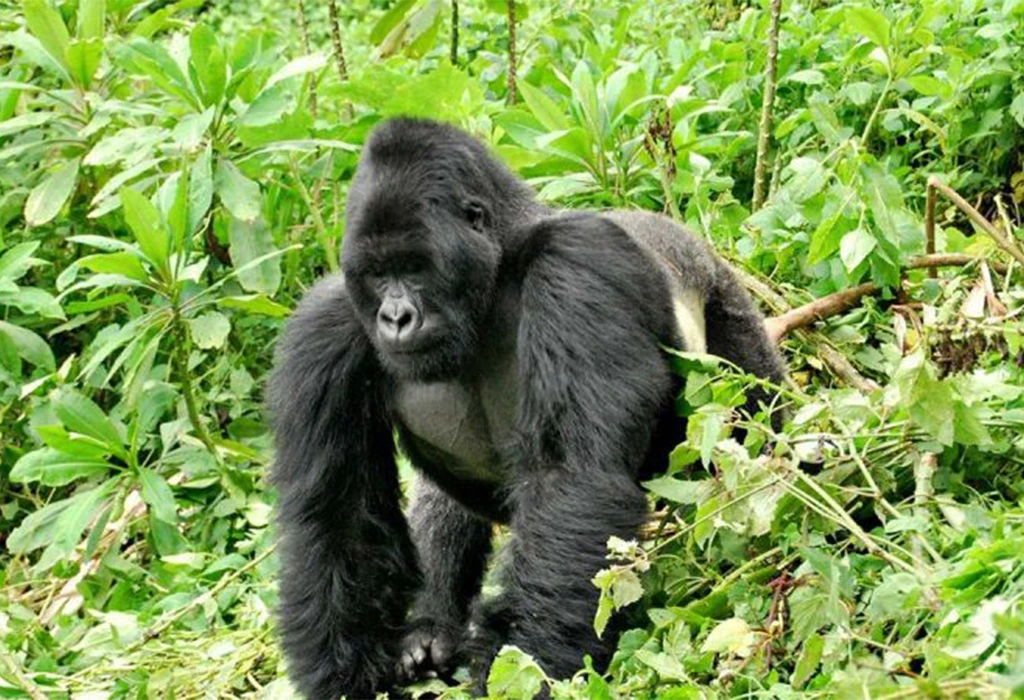 Because gorilla permits are limited, Experiya Tour Company recommends booking several months in advance, especially for travel during peak safari seasons.
Birdwatching Throughout the Seasons
Uganda is home to more than 1,000 bird species, making it one of Africa’s premier birdwatching destinations.
While game viewing reaches its peak during the dry months, birdwatching becomes especially rewarding between November and April. During this period, migratory birds from Europe and Asia join Uganda’s resident species, creating exceptional opportunities for bird enthusiasts.
Even so, travelers visiting during December, January, and February enjoy the added advantage of combining outstanding birdwatching with excellent wildlife viewing, making these months particularly attractive for nature lovers.
Budget-Friendly Travel During the Rainy Season
Although the rainy seasons from March to May and October to November are not considered the best months for game viewing, they offer several advantages.
Accommodation rates often decrease significantly, allowing travelers to enjoy luxury lodges at more affordable prices. National parks are quieter, creating a more exclusive safari experience with fewer visitors.
The landscapes also become lush and green, producing spectacular scenery for photographers. While wildlife may be more dispersed due to abundant water and vegetation, experienced safari guides still deliver rewarding wildlife encounters.
Travelers looking for excellent value often choose these months to experience Uganda while avoiding peak-season prices.
Plan Your Safari at the Right Time
Choosing the right month can transform an ordinary safari into an extraordinary wildlife adventure. For the most reliable game viewing, comfortable weather, and excellent road conditions, the dry seasons from June to September and December to February remain the best times to visit Uganda.
Whether your dream includes watching lions on the savannah, photographing elephants at sunset, tracking endangered mountain gorillas, or enjoying peaceful game drives through breathtaking landscapes, careful planning makes all the difference.
With carefully designed safari itineraries, professional guides, and expert local knowledge, Experiya Tour Company helps travelers experience Uganda’s remarkable wildlife at the perfect time of year, ensuring unforgettable memories from the Pearl of Africa.