
Fascinating Elephant Facts and Where to See Them in Uganda
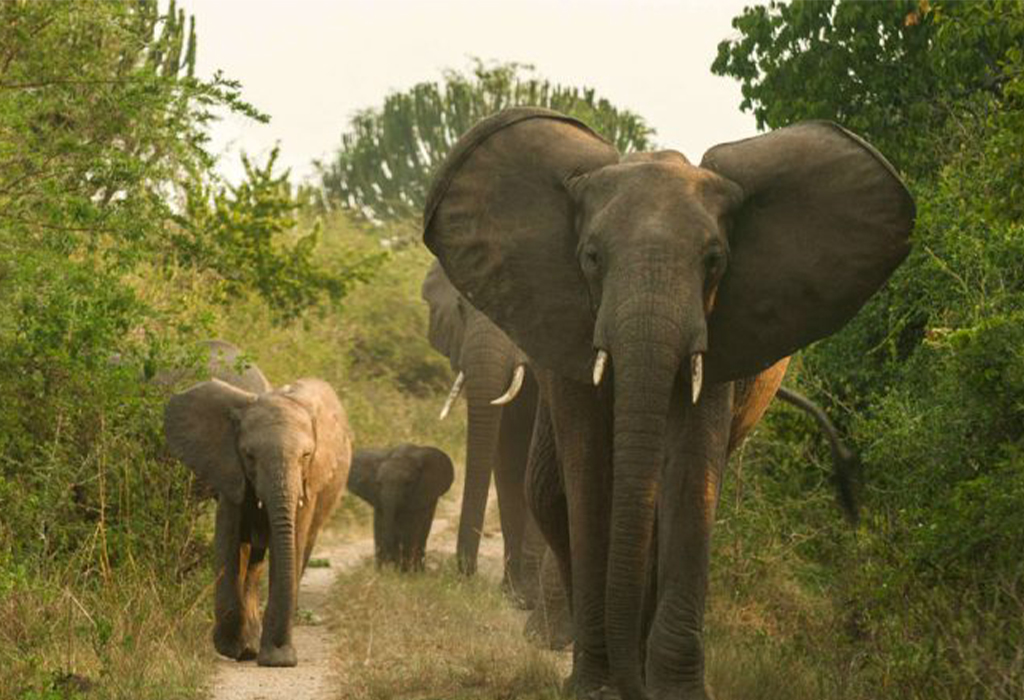
Imagine standing quietly on the open savannah as the early morning mist begins to lift. The air feels cool and still, then suddenly a deep, low rumble travels through the ground before you even hear it. From the edge of a thicket, a matriarch elephant steps into view, her ears stretched wide, her movements calm but commanding. Close behind her, a young calf presses against her side, mirroring every step. Moments like this don’t feel staged or distant they feel deeply personal. In Uganda, encounters with elephants unfold naturally, often leaving a lasting impression long after the safari ends.
Elephants here are not just part of the scenery. They shape the landscape, influence ecosystems, and tell a powerful story of survival and recovery. As you travel through Uganda’s national parks, you begin to notice how each sighting carries its own rhythm and mood. Some herds move slowly across golden plains, while others gather at riverbanks, splashing and drinking in the heat of the day. Every encounter feels different, yet equally unforgettable.
Remarkable Elephant Facts That Bring Them to Life
Before heading into the wild, it helps to understand what makes elephants so extraordinary. Uganda is home to the African savannah elephant, the largest land mammal on Earth. Adult males can weigh up to 6,000 kilograms, yet despite their size, they often move with surprising grace. Watching a full-grown bull walk silently through tall grass can feel almost surreal.
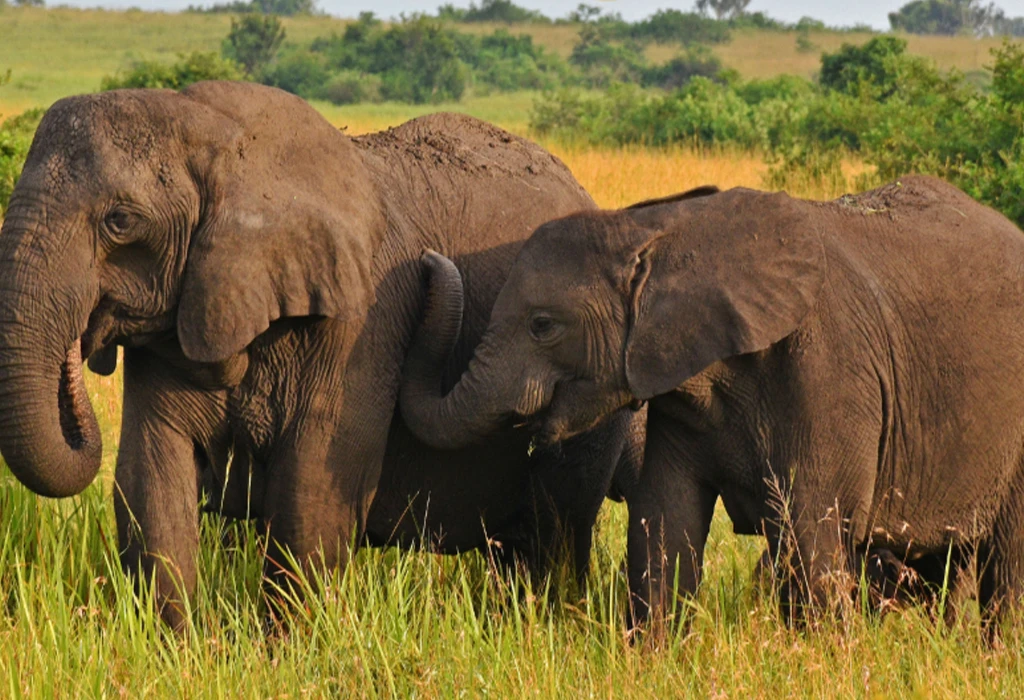
One of the most fascinating features is the elephant’s trunk. With more than 40,000 muscles, it serves as both a powerful and delicate tool. In a single moment, an elephant can use it to pull down branches, draw water, greet another elephant, or even comfort a calf. Observing how precisely they control their trunks adds a deeper layer of appreciation to every sighting.
 Equally striking is their emotional intelligence. Elephants form strong family bonds and show behaviors that resemble empathy. On several occasions, travelers have witnessed herds pausing around the remains of a fallen member, gently touching bones with their trunks. These moments reveal a level of awareness that feels both humbling and profound.
Family structure also plays a key role in their lives. A matriarch leads each herd, often the oldest and most experienced female. She guides the group across long distances in search of food and water, relying on memory built over decades. When you watch a herd follow her lead, you begin to understand the importance of leadership and survival instincts in the wild.
Perhaps one of the most encouraging facts is the recovery of Uganda’s elephant population. Decades ago, numbers dropped dramatically due to poaching and political instability. Today, thanks to conservation efforts and increased protection, the population has grown significantly. Seeing elephants roam freely across the parks now feels like witnessing a conservation success story in motion.
Where to See Elephants in Uganda
Uganda offers several remarkable locations where elephant encounters feel authentic and immersive. Each destination brings a slightly different perspective, shaped by its landscape and wildlife diversity.
Queen Elizabeth National Park stands out as one of the most reliable places to see elephants. As you explore its wide savannah plains, you often come across herds moving steadily in search of food. However, the experience becomes even more memorable along the Kazinga Channel. During a boat safari, elephants frequently gather at the water’s edge, drinking, bathing, and interacting in full view. The late afternoon light reflecting off the water creates a scene that feels almost cinematic.
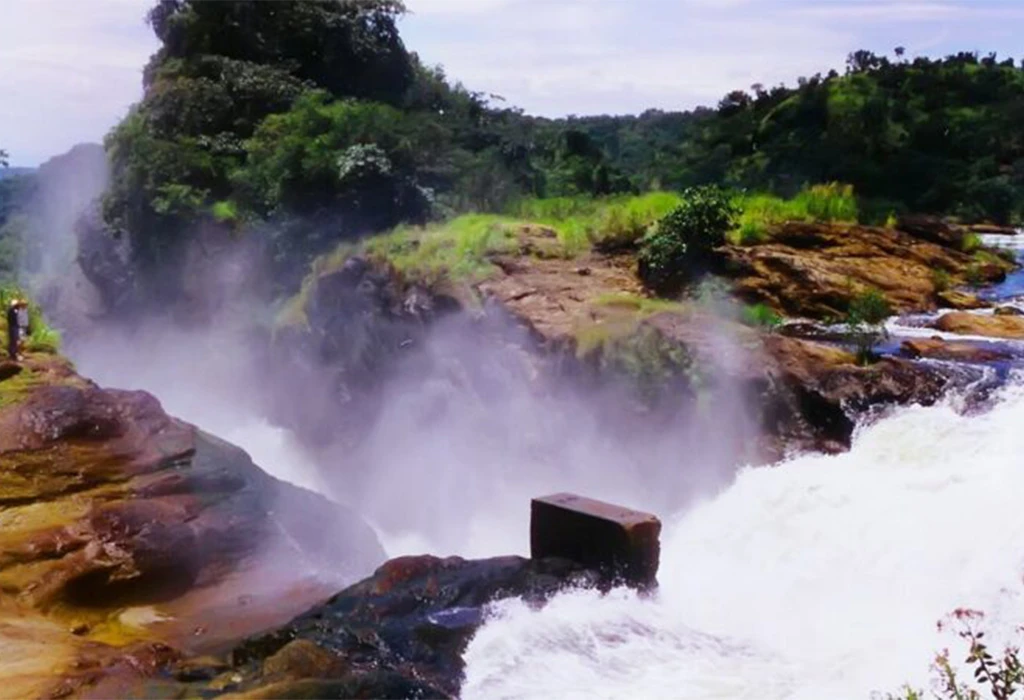
Further north, Murchison Falls National Park offers a more dramatic setting. Here, the Nile forces its way through a narrow gorge before exploding into powerful waterfalls. Against this backdrop, elephants roam freely across the landscape. Early morning game drives often reveal herds grazing in the soft light, while boat cruises along the river provide close-up views as they come down to drink. Occasionally, you might even witness elephants crossing the water, their trunks raised above the surface like snorkels.
For those seeking a quieter and more remote experience, Kidepo Valley National Park delivers something truly special. The park’s rugged terrain and vast open spaces create a sense of untouched wilderness. Elephants here tend to be less accustomed to vehicles, which makes each sighting feel raw and authentic. Watching them from a distance, with mountains rising in the background, offers a rare sense of isolation and connection to nature.
In contrast, Kibale National Park introduces a different type of encounter. Known primarily for chimpanzee tracking, it also shelters a small population of forest elephants. These elephants are more elusive and smaller than their savannah relatives. Spotting them requires patience and a bit of luck, but the experience feels deeply rewarding. The dense forest setting adds an element of mystery, making each glimpse feel like a hidden discovery.
Semuliki National Park, tucked along Uganda’s western border, provides yet another unique perspective. Elephants here move between Uganda and the neighboring forests of Congo, following ancient migration routes. The environment feels wild and less explored, with hot springs and thick vegetation adding to its character. Sightings may be less frequent, but the sense of adventure makes the journey worthwhile.
The Story Behind Their Survival
Understanding elephants in Uganda also means understanding their past. In the 1970s and 1980s, elephant populations faced severe threats. Poaching and instability led to a drastic decline, pushing these animals close to disappearance in some regions. However, over time, conservation efforts began to take hold.
Today, improved protection, stronger law enforcement, and community involvement have helped elephants recover. Conservation programs now focus not only on protecting wildlife but also on supporting local communities. By creating awareness and providing alternative livelihoods, these initiatives reduce human-wildlife conflict and encourage coexistence.
When you visit Uganda’s national parks, your presence contributes directly to these efforts. Park fees and tourism activities help fund conservation work, making each safari part of a larger, meaningful impact.
Practical Insights for a Memorable Experience
Timing plays an important role in elephant viewing. During the dry seasons, from December to February and June to September, elephants gather around water sources, making sightings more predictable. The landscape also becomes easier to navigate, allowing for smoother game drives.
Preparation enhances the experience as well. Wearing neutral-colored clothing helps you blend into the environment, while carrying binoculars allows you to observe details from a respectful distance. A good camera with a zoom lens captures moments without disturbing the animals.
Different safari styles offer different perspectives. Game drives cover larger areas and increase your chances of encountering herds across open plains. Boat safaris, on the other hand, bring you closer to water-based interactions, where elephants often appear more relaxed. In select areas, guided walking safaris provide a deeper connection to the environment, allowing you to notice tracks, vegetation, and smaller details that vehicles might miss.
A Journey Worth Taking
Spending time around elephants in Uganda changes how you see wildlife. It shifts your focus from simply observing animals to understanding their behaviors, relationships, and environment. Each encounter carries a sense of respect and curiosity, reminding you that you are witnessing something both ancient and enduring.
As the sun sets over the savannah and the silhouettes of elephants fade into the distance, one thing becomes clear. These experiences stay with you. They become stories you tell, memories you revisit, and reasons to return. Uganda doesn’t just offer a chance to see elephants it offers a chance to truly connect with them in the wild.