
Frequently Asked Questions About Uganda Gorilla Safaris
Uganda gorilla safaris rank among Africa’s most powerful wildlife experiences. Standing face to face with a mountain gorilla in its natural habitat is both humbling and unforgettable. I’ve seen how travelers fall silent in that moment, completely absorbed by the presence of these gentle giants. To help you plan with confidence, here are the most frequently asked questions answered clearly, honestly, and from real safari insight.
Why are Uganda Gorilla Safaris so special?
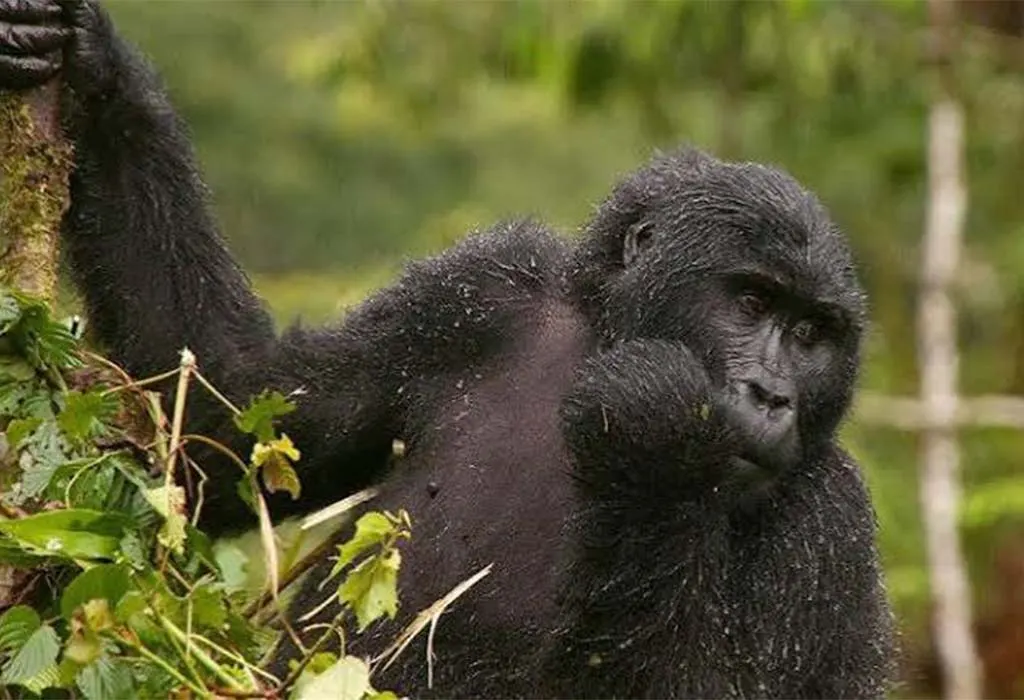
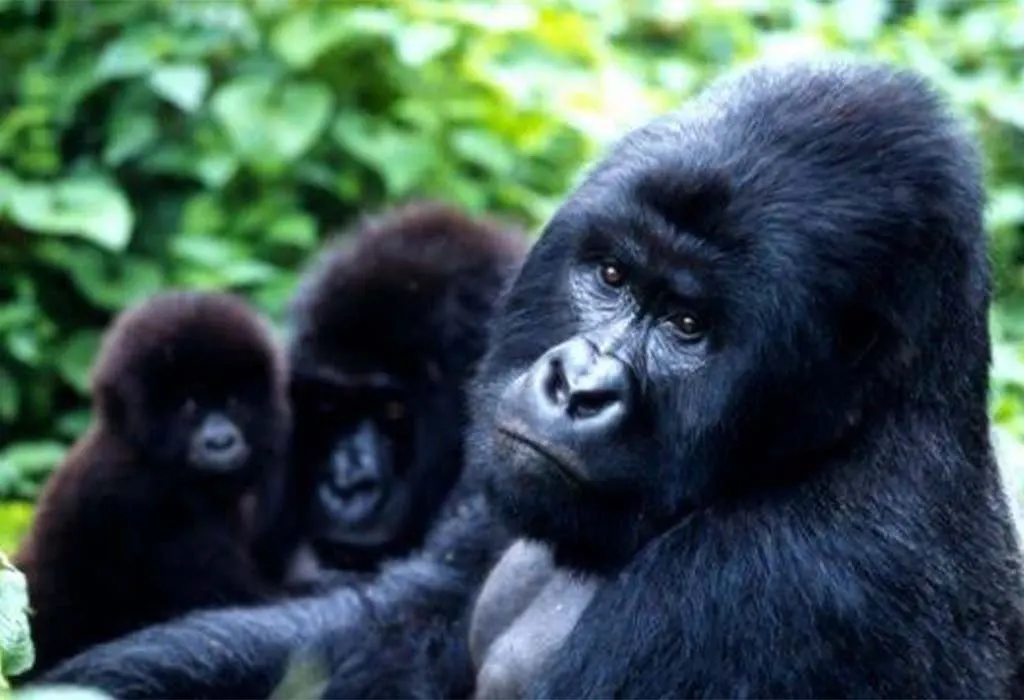
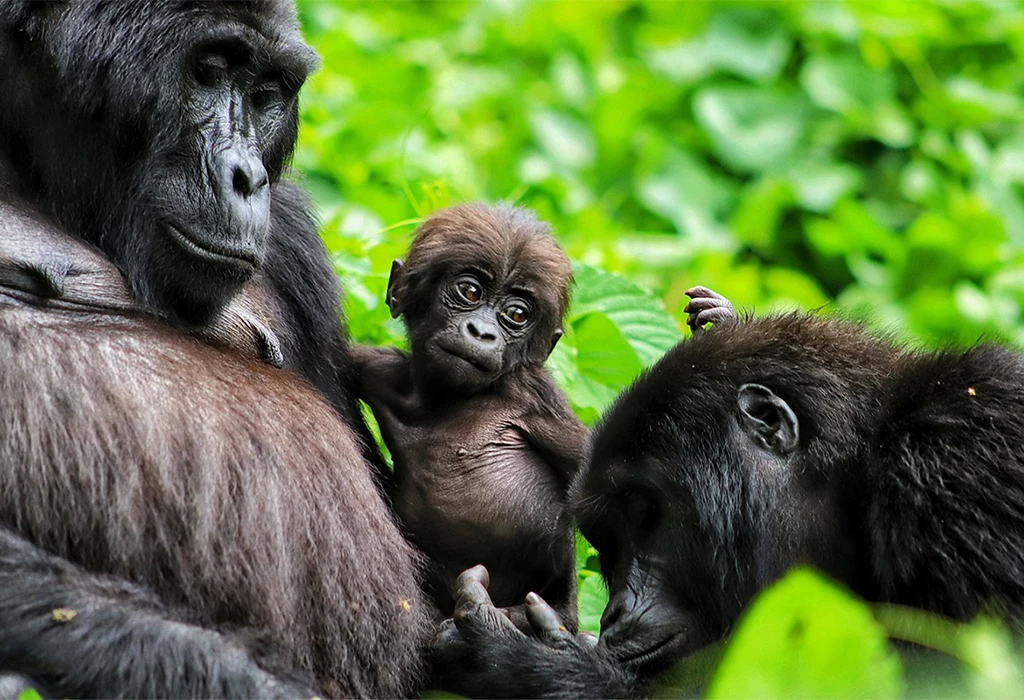
Mountain gorillas are critically endangered, and seeing them in the wild is a rare privilege. Today, just over 1,000 individuals remain globally, divided into two main populations. One lives in the Virunga Conservation Area, which spans Volcanoes National Park in Rwanda, Mgahinga Gorilla National Park in Uganda, and Virunga National Park in the Democratic Republic of Congo. The other population inhabits Bwindi Impenetrable National Park in Uganda.
What makes this experience even more unique is that mountain gorillas cannot survive in captivity. You won’t find them in zoos anywhere in the world. That means trekking through Uganda’s forests is one of the only ways to encounter them.
In Uganda, you can track gorillas in two protected areas: Bwindi Impenetrable National Park and Mgahinga Gorilla National Park. Bwindi, in particular, offers a dense, ancient rainforest that feels untouched by time. As you hike through tangled vines and misty hills, every step builds anticipation for that first sighting.
When is the best time to go on a Uganda Gorilla Safari?
Timing plays a role in how comfortable your trek will be, although gorilla trekking happens year-round. The dry seasons June to August and December to February offer the most favorable conditions. Trails are less slippery, vegetation is thinner, and hiking becomes more manageable.
However, Uganda’s rainforest climate means showers can appear even during drier months. On the other hand, the rainy seasons (March to May and September to November) bring lush scenery and fewer crowds. Some travelers actually prefer this time for its quieter atmosphere and more intimate trekking experience.
From experience, the best time depends on your priorities. If you value easier hiking, aim for the dry months. If you prefer fewer visitors and vibrant landscapes, the wet season still delivers an incredible experience.
How much does a gorilla trekking permit cost?
A gorilla trekking permit is essential. It grants you access to a habituated gorilla family and allows you to spend one hour observing them in the wild.
In Uganda, the permit currently costs USD 800 per person for a standard trek. For a deeper experience, the Gorilla Habituation Experience costs USD 1,500 per person and allows up to four hours with the gorillas.
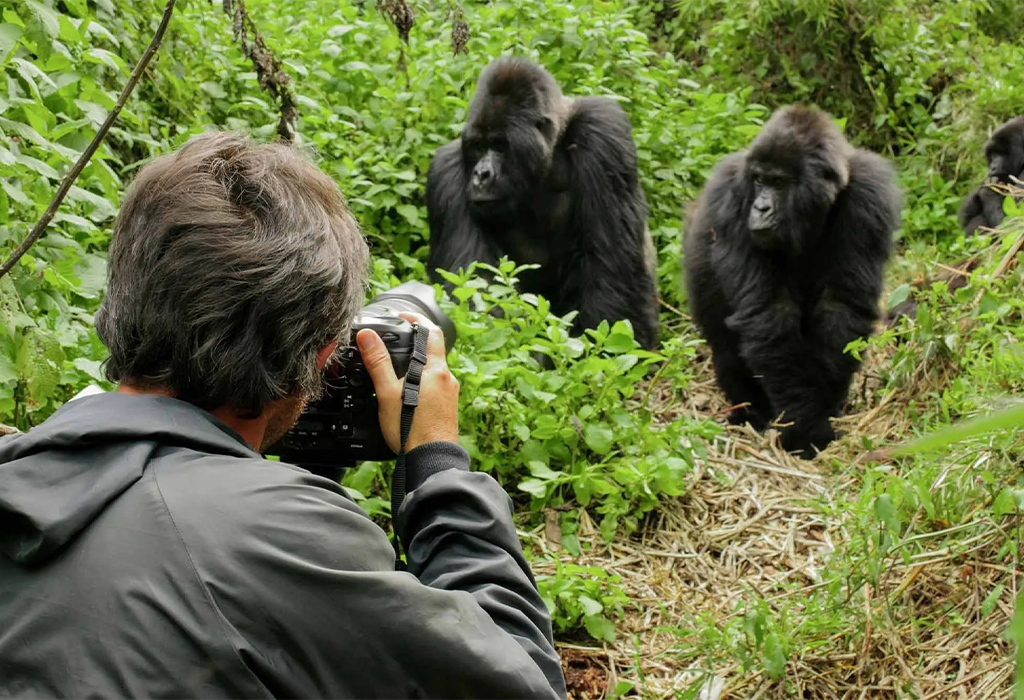 Compared to neighboring countries, Uganda offers strong value. Rwanda’s permits cost USD 1,500, while permits in the Democratic Republic of Congo are generally cheaper but depend on security conditions.
When you book through Experiya Tour Company, the team handles the entire permit process on your behalf. This removes the stress of navigating availability and ensures everything is secured in advance.
When should you book your gorilla permit?
Gorilla permits are limited and sell out quickly, especially during peak travel months. Each gorilla family can only be visited by a small group per day, which protects the animals and preserves the experience.
For this reason, it’s best to book at least three to six months in advance. During high season, even earlier booking is advisable. Waiting too long can limit your choice of trekking sectors or dates.
Planning ahead not only secures your spot but also allows you to organize the rest of your safari smoothly.
How long does gorilla trekking take?
Gorilla trekking is unpredictable, and that’s part of the adventure. The trek can take anywhere from one to five hours, depending on where the gorillas moved the previous day.
Sometimes you’ll find them within an hour. Other times, you’ll hike deeper into the forest, navigating steep slopes and thick vegetation. Rangers guide you every step of the way, reading signs like broken branches and fresh footprints.
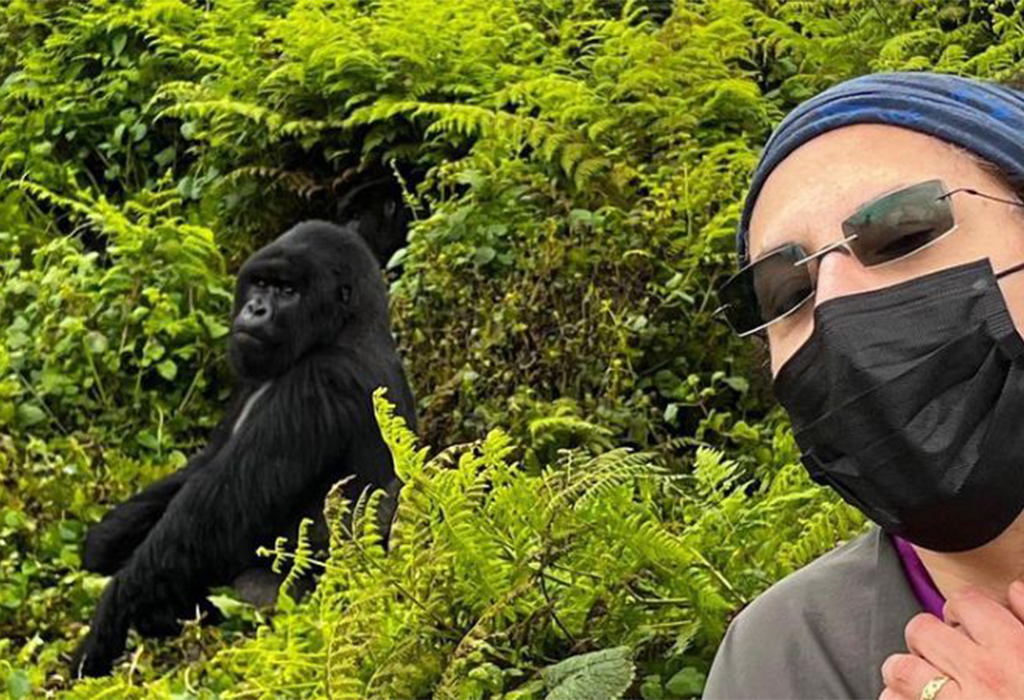 Once you locate the gorillas, you spend exactly one hour with them. That hour feels both long and fleeting. You watch them feed, groom, play, and interact completely undisturbed.
If you choose the habituation experience, you’ll spend up to four hours observing a semi-habituated group, which offers a more immersive and educational encounter.
How physically demanding is the trek?
Gorilla trekking requires a reasonable level of fitness, but you don’t need to be an athlete. The terrain can be steep, muddy, and uneven, especially in Bwindi. However, rangers adjust the pace based on the group, and you can hire porters to assist with carrying bags or providing support on difficult sections.
From what many travelers share afterward, the challenge becomes part of the reward. Reaching the gorillas after a demanding hike makes the encounter even more meaningful.
How safe are Uganda Gorilla Safaris?
Safety remains a top priority. Gorilla trekking takes place under the supervision of trained Uganda Wildlife Authority rangers. These experts understand gorilla behavior and ensure that interactions remain calm and controlled.
Over time, gorilla families undergo a careful habituation process. Rangers gradually introduce human presence until the gorillas become comfortable. Even so, strict guidelines apply during visits. You must keep a safe distance, avoid sudden movements, and follow all instructions.
Health precautions are also critical. Gorillas share a high percentage of human DNA, which makes them vulnerable to human illnesses. Visitors showing symptoms of illness may not be allowed to trek.
In practice, gorilla safaris in Uganda are very safe when conducted responsibly.
What should you pack for a gorilla safari?
Packing the right gear makes a big difference. You’ll need sturdy hiking boots with good grip, lightweight long-sleeved clothing, and a waterproof jacket. The forest can be wet and unpredictable.
Gloves help when grabbing vegetation during steep climbs, and insect repellent protects against bugs. A small backpack with water and snacks is essential, and a walking stick often provided adds stability on slippery trails.
Neutral-colored clothing works best, as bright colors can disturb wildlife.
Can you combine gorilla trekking with other safari experiences?
Absolutely, and this is where Uganda truly shines. A gorilla trek fits perfectly into a broader safari itinerary.
You can explore Murchison Falls National Park for dramatic landscapes and powerful waterfalls, track chimpanzees in Kibale Forest, or enjoy game drives in Queen Elizabeth National Park. For relaxation, Lake Bunyonyi offers calm waters and scenic views, while Lake Mburo provides a quieter wildlife experience.
Beyond Uganda, many travelers extend their journey to Rwanda or the Democratic Republic of Congo. In Rwanda, Volcanoes National Park offers gorilla and golden monkey trekking, while Nyungwe Forest provides canopy walks and chimpanzee tracking. In Congo, adventurous travelers can hike Mount Nyiragongo, one of Africa’s most active volcanoes.
Combining destinations creates a richer, more diverse East African safari.
Why travel with Experiya Tour Company?
Planning a gorilla safari involves many moving parts, from securing permits to organizing transport and accommodation. Experiya Tour Company simplifies the entire process while tailoring each journey to your interests.
The team brings deep regional knowledge and first-hand experience. Guides understand wildlife behavior, local cultures, and the landscapes that make each destination unique. As a result, every safari feels personal rather than packaged.
Moreover, attention to detail sets the experience apart. From the moment you arrive to the final day of your journey, everything runs smoothly. Whether you want a luxury escape, a mid-range adventure, or a more rugged exploration, your itinerary is shaped around your preferences.
Travelers often return not just for the wildlife, but for the seamless experience and genuine connection to East Africa.